Why Are Office Chairs So Expensive? The Hidden Costs Behind Quality Seating
Why Are Office Chairs So Expensive? The Hidden Costs Behind Quality Seating
Quality office chairs range from $200 to over $1,200 because they combine precision engineering, premium materials, and decade-long warranties. A $1,500 chair used over 12 years costs just $0.34 per day. This article breaks down the engineering, materials, manufacturing, and health benefits that justify these prices.
Ergonomic Engineering and R&D Investment
Premium ergonomic office chairs require years of biomechanical research, multidisciplinary teams, and rigorous certification testing before reaching consumers.
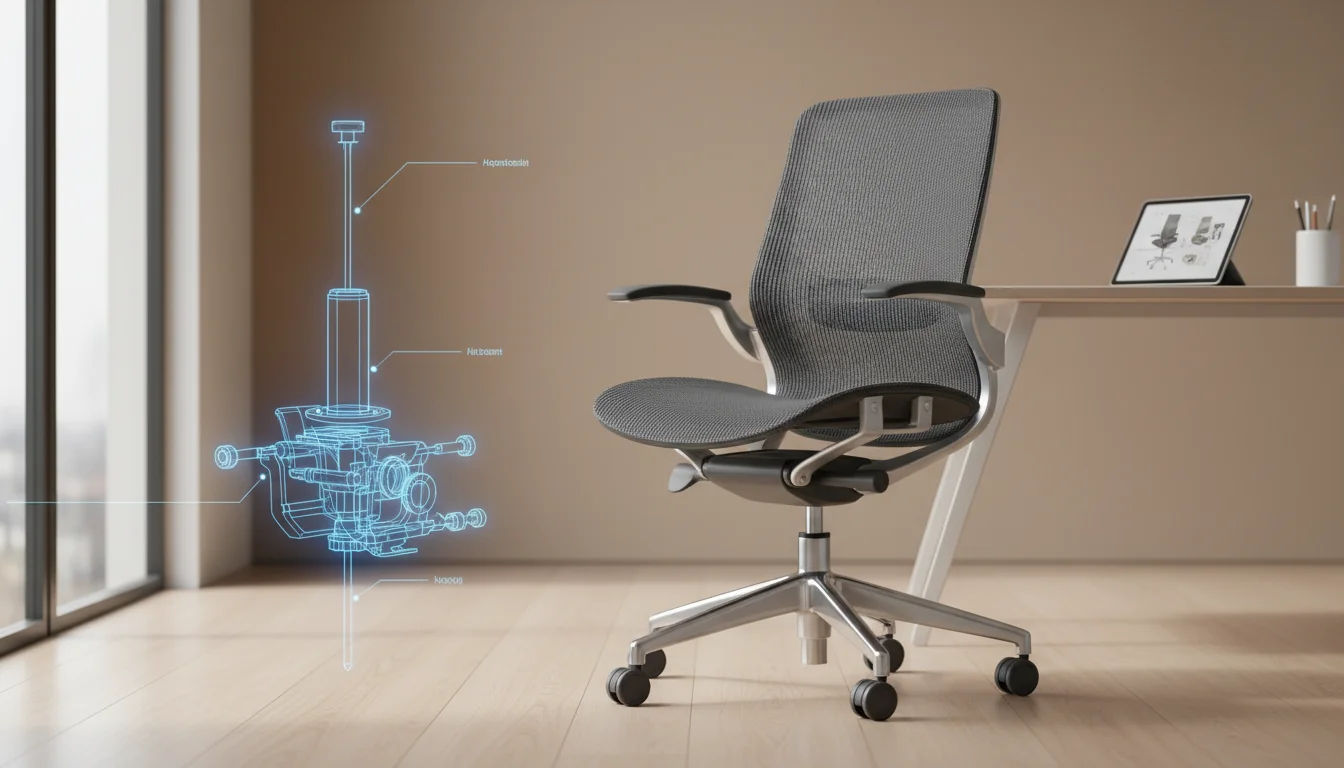
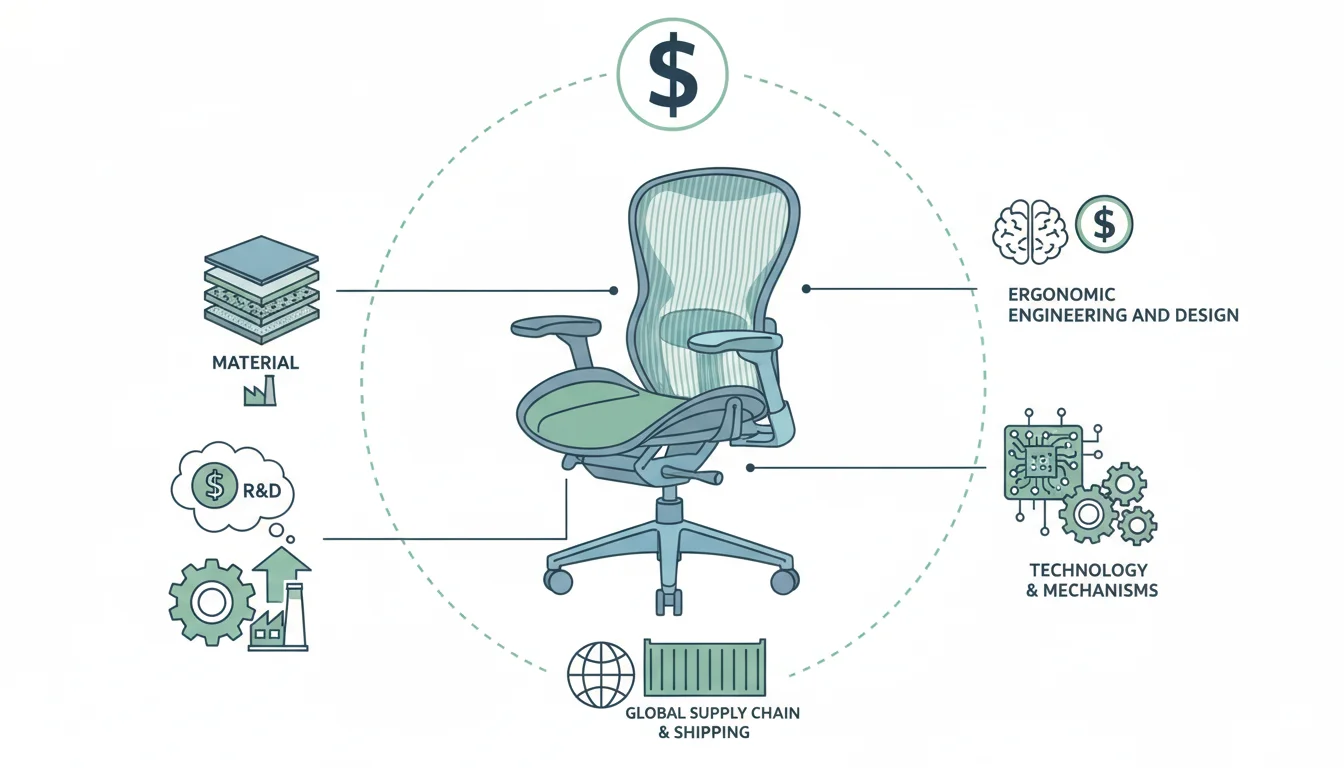
Why office chairs are so expensive starts with the people behind them. Companies employ ergonomists, engineers, and medical professionals who study pressure distribution, spinal alignment, and circulation patterns. Herman Miller uses pressure-mapping technology to fine-tune backrest tension across different body types. Secretlab partners with universities to develop patent-pending foam formulations. What drives R&D costs:- Lumbar support systems require anatomical research to match natural spine curvature
- Seat depth adjustments need testing across the 5th to 95th percentile of body sizes
- Armrest positioning involves studying shoulder strain during typing
- Tilt mechanisms demand precision engineering for smooth, safe operation
- BIFMA certification requires stress tests, weight capacity tests, and durability checks
Every adjustment point adds engineering complexity. A chair with 12 adjustment options needs each mechanism to work both independently and in harmony with the others. Karo notes that this multidisciplinary collaboration spans the entire product lifecycle, from concept through refinement.
The back support in a $150 chair uses fixed curves. The back support in a $1,200 chair adapts to your specific spine shape. That difference represents thousands of hours of research.
Premium Materials and Build Quality
The gap between cheap and expensive chairs shows up most clearly in material selection and construction quality.
| Component | Budget Chair ($100-200) | Premium Chair ($1,000+) |
|---|
| Frame | Plastic, prone to cracking | Aluminum or steel alloy |
|---|---|---|
| Foam | Low-density, flattens in months | High-density, maintains shape for years |
| Mesh | Basic fabric, traps heat | Engineered breathable material (like Pellicle) |
| Base | Plastic, weight limit ~200 lbs | Die-cast aluminum, supports 300+ lbs |
| Casters | Hard plastic, scratches floors | Dual-wheel nylon, smooth rolling |
| Gas Cylinder | Class 2, shorter lifespan | Class 4, rated for 100,000+ cycles |
Materials account for roughly 40% of a premium chair's final price, according to Handsome Chair. The remaining costs split between assembly, warranty reserves, and brand development.
Sustainability certifications add another layer. Chairs meeting GREENGUARD or Cradle to Cradle standards require verified supply chains and specific material sourcing. These certifications matter for corporate buyers and typically add 10-15% to production costs.
Manufacturing Complexity and Precision Assembly
Hand assembly with quality control at each step separates luxury office chairs from mass-produced alternatives.
Premium chairs go through inspection at multiple stages. Workers check mechanism tolerances, test adjustment ranges, and verify component alignment. A single Aeron chair contains over 900 parts that must work together seamlessly. This labor-intensive process explains why Herman Miller chairs cost about 50% more than similar-looking models. Manufacturing cost factors:- Precision tolerances ensure mechanisms operate smoothly for 10+ years
- Hand assembly catches defects that automated lines miss
- Regional production in the USA or Europe means higher labor costs
- Supply chain transparency requires auditing material sources
- Ethical sourcing commitments increase raw material expenses
U.S. manufacturing payroll averages $57,000 per employee annually, according to StellarMR. Overseas production cuts costs but often sacrifices precision. Expensive office chair brands manufacture domestically or in Western Europe specifically to maintain quality standards.
Contract-grade chairs built this way last 10-15 years. Budget chairs averaging 18 months of usable life suddenly look expensive by comparison.
Warranties and Long-Term Durability
Extended warranties signal manufacturer confidence and dramatically reduce long-term ownership costs.
| Brand | Warranty Length | Frame Coverage | Fabric Coverage | Mechanism Coverage |
|---|
| Herman Miller | 12 years | Full | 5 years | Full |
|---|---|---|---|---|
| Steelcase | 12 years | Full | 5 years | Full |
| Humanscale | 15 years | Full | 5 years | Full |
| Sitmatic | Lifetime (frame) | Lifetime | 5 years | 10 years |
| Budget brands | 1-2 years | Limited | 90 days | 1 year |
The math favors expensive chairs. A $1,200 chair with a 12-year warranty costs $100 per year. A $200 chair replaced every two years also costs $100 per year—but with worse comfort and no consistent support.
Replacement parts availability extends this value further. Herman Miller sells individual components for chairs made decades ago. When a gas cylinder fails at year eight, you spend $60 on a replacement instead of $1,200 on a new chair. BTOD emphasizes that this parts availability makes premium chairs genuinely worth it over any reasonable time horizon.
Health Benefits and ROI: The Hidden Savings
Proper seating prevents medical costs that dwarf any chair purchase price.
Back pain affects 80% of adults at some point. Chronic back issues lead to doctor visits, physical therapy, medications, and lost workdays. A single MRI costs $1,000-$3,000. One course of physical therapy runs $1,500-$2,500. These numbers make a $1,500 chair look like insurance.
The office chair price comparison most people miss:- Cheap chair: $200 upfront + $2,000 in back treatment over 5 years = $2,200
- Premium chair: $1,200 upfront + reduced health costs = $1,200 total
Productivity gains add to the calculation. Studies show comfortable workers produce more output with fewer errors. Businesses see reduced sick days and lower workers' compensation claims when they invest in proper seating.
I spent years ignoring this math. The $150 chair felt like the responsible choice. Then I spent $400 on a chiropractor in one month. The "expensive" chair pays for itself when you factor in what cheap vs expensive office chairs actually cost your body.
Cheap vs Expensive Office Chairs: What You Actually Get
Each price tier delivers specific features matched to different usage patterns.
| Feature | Budget ($100-200) | Mid-Range ($400-800) | Premium ($1,000+) |
|---|
| Height Adjustment | Yes | Yes | Yes |
|---|---|---|---|
| Armrest Adjustment | Fixed or none | Height + width | 4D (height, width, depth, angle) |
| Lumbar Support | Fixed curve | Adjustable depth | Dynamic, adaptive |
| Seat Depth | Fixed | Adjustable | Adjustable with memory |
| Tilt Mechanism | Basic recline | Synchro-tilt | Multi-position with tension control |
| Headrest | None | Optional | Integrated, adjustable |
| Warranty | 1-2 years | 5 years | 10-15 years |
| Expected Lifespan | 1-2 years | 5-7 years | 12-15+ years |
Budget chairs work for occasional use. A guest chair or home desk used two to three hours daily survives fine at this tier. Mid-range chairs suit most home offices and part-time remote workers. The best ergonomic office chairs at premium prices make sense for anyone sitting six or more hours daily.
Here's what changed my thinking: how much an office chair should cost depends entirely on hours used. A $1,200 chair for eight hours daily costs less per sitting hour than a $200 chair used the same way.
FAQ
Why do gaming chairs cost less than ergonomic office chairs?
Gaming chairs prioritize aesthetics and brand licensing over ergonomic research. Office chairs undergo biomechanical testing and certification processes that gaming chairs skip. The price difference reflects R&D investment, not quality perception.
Are refurbished Herman Miller chairs worth buying?
Refurbished premium chairs offer 50-70% savings with most of the original quality intact. Reputable sellers replace worn components and offer warranties. A $500 refurbished Aeron outperforms a $500 new mid-range chair.
How long should an office chair last?
Budget chairs last one to two years with daily use. Mid-range chairs survive five to seven years. Premium chairs with proper maintenance last 12-15 years or longer. Warranty length usually matches expected lifespan.
Do expensive office chairs help with back pain?
Quality ergonomic chairs reduce strain through proper lumbar support, adjustable positioning, and pressure distribution. They prevent problems better than they cure existing conditions. Consult a healthcare provider for chronic pain.
What makes Herman Miller and Steelcase chairs so expensive?
Both companies invest heavily in ergonomic research, use premium materials, manufacture with precision tolerances, and back their products with 12-year warranties. Their prices reflect genuine cost differences, not pure brand markup.
Should I buy a used office chair?
Used premium chairs from office liquidators offer strong value. Check the manufacture date, test all adjustments, and inspect for worn foam or mesh. A five-year-old Steelcase Leap still outperforms most new budget options.