Office Chair After Back Surgery: Your Complete Recovery Seating Guide for 2025
Office Chair After Back Surgery: Your Complete Recovery Seating Guide for 2025
An office chair after back surgery provides targeted spinal support during the critical healing period when improper seating can cause setbacks. Research shows that chairs with independent pelvis support increase disc space and improve blood flow to healing tissues. This guide covers chair selection based on surgery type, recovery stage, and budget.
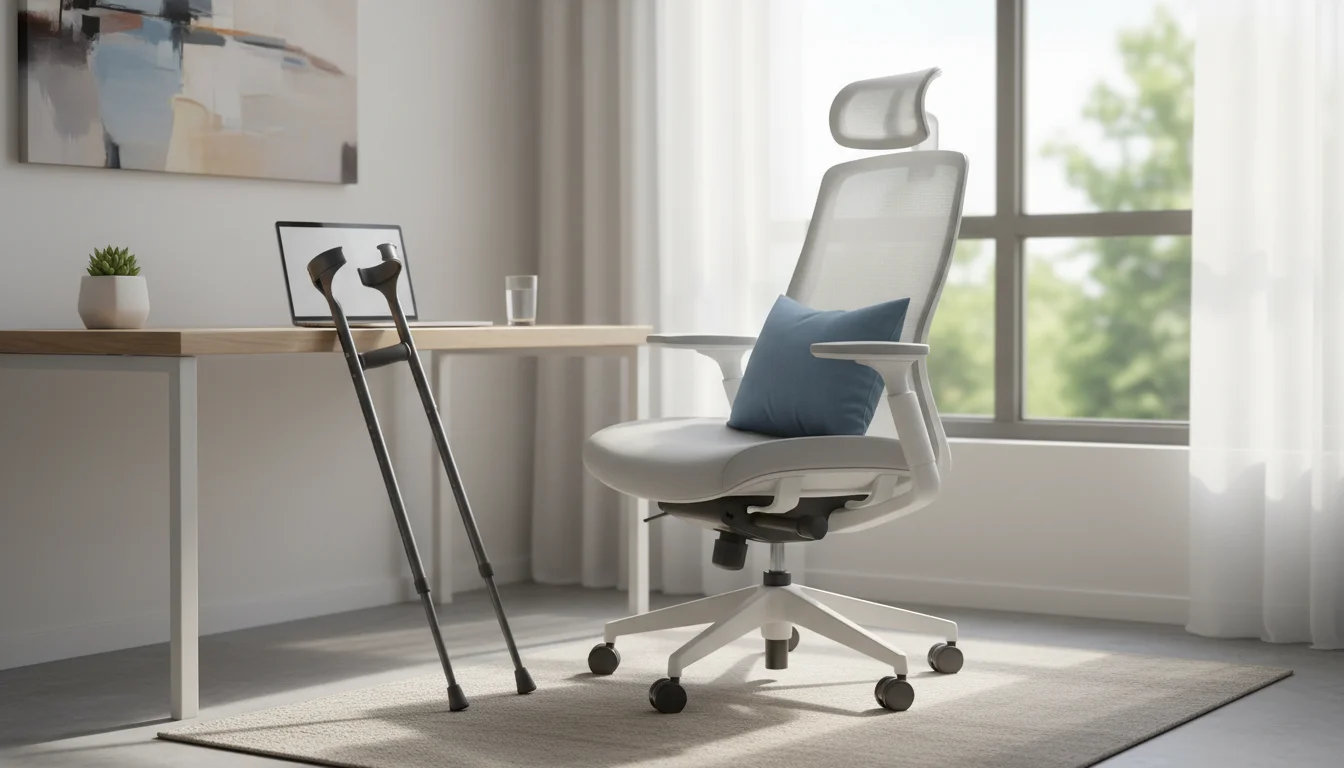
Understanding Your Back Surgery and Chair Requirements
Your specific procedure dictates which chair features matter most for safe recovery.
Spinal fusion patients need maximum stability with minimal twisting capability. The fused vertebrae require a rigid support structure that prevents rotational movement. Laminectomy recovery demands exceptional lumbar customization since the procedure removes bone to relieve nerve pressure. TLIF surgery patients benefit from chairs that maintain neutral pelvis positioning while allowing controlled recline.
| Surgery Type | Primary Chair Need | Key Feature | Avoid |
|---|
| Spinal Fusion | Maximum stability | Locked recline, firm lumbar | Swivel-heavy bases |
|---|---|---|---|
| Laminectomy | Lumbar customization | Adjustable height/depth lumbar | Fixed back support |
| Discectomy | Pressure redistribution | Contoured cushioning | Hard seat surfaces |
| TLIF | Neutral pelvis support | Independent pelvis stabilization | Bucket seats |
Your spine surgeon should approve any chair selection before purchase. Recovery timelines and restrictions vary significantly between procedures and individual healing rates. Inspired Spine emphasizes that consulting your medical team prevents costly mistakes.
Essential Ergonomic Features for Post-Surgical Comfort
Adjustable lumbar support stands as the single most important feature for spine surgery recovery.
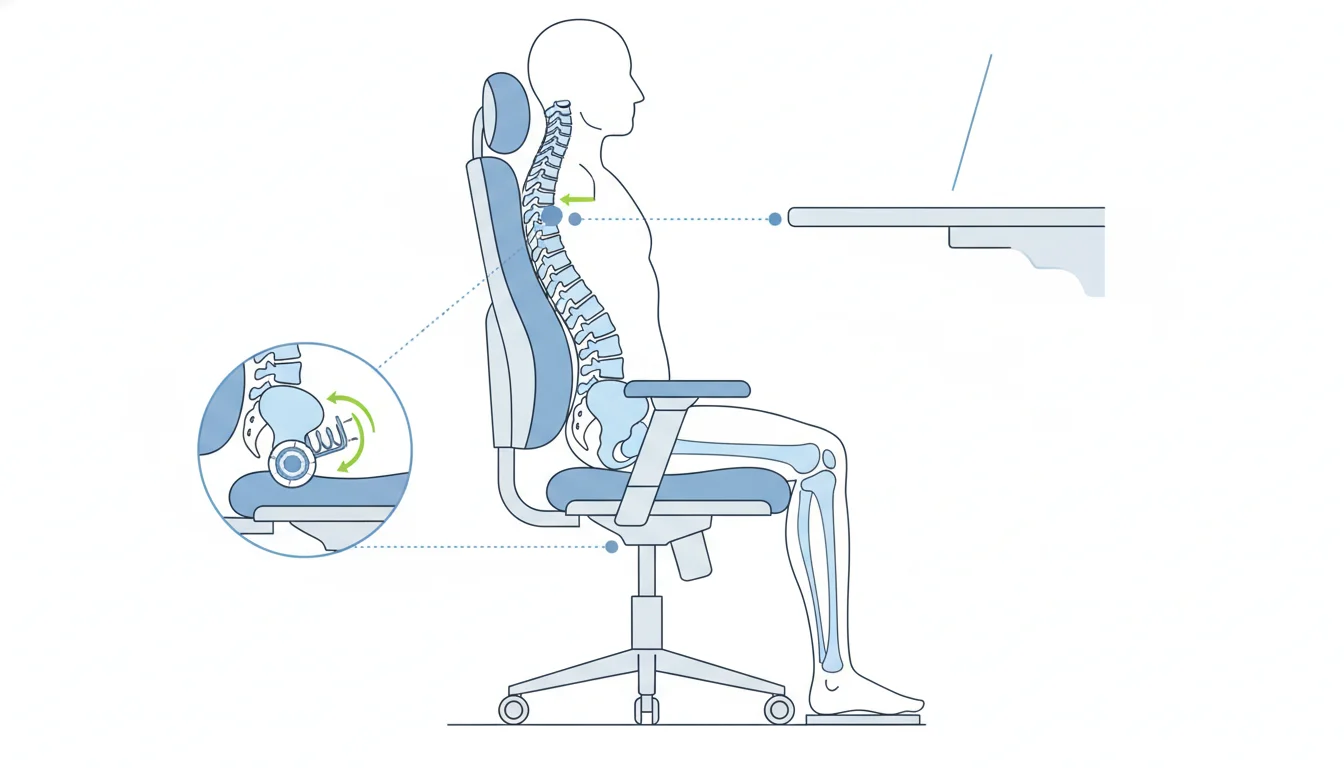
The lumbar support must adjust in both height and depth to match your specific spinal anatomy. Fixed lumbar pads miss the mark for surgical patients since everyone's curve sits at a different vertebral level. Seat depth adjustment prevents pressure on surgical sites by positioning the seat edge away from the back of your knees.
Non-negotiable features for post-surgical chairs:- Lumbar support with height and depth adjustment
- Seat depth with at least 2 inches of adjustability
- Armrests adjustable in height, width, and angle
- Seat height range that allows feet to rest flat on the floor
- Breathable mesh or pressure-redistributing foam
- Recline mechanism that maintains pelvis position
Armrest adjustability matters more than most people realize. Getting in and out of your chair safely requires pushing up from armrests positioned at the correct height. Armrests that are too low force spinal flexion, while those that are too high create shoulder strain. SpineMD notes that Dr. Jazini recommends 4D armrests for effective back pain management.
Recovery Stage Chair Recommendations
Your chair needs change dramatically as healing progresses through distinct phases.
Weeks 1-6 demand limited sitting with maximum support. During this phase, softer cushioning and easy chair access prevent strain when sitting or standing. Medical-grade options like the Anthros chair provide independent pelvis stabilization that standard ergonomic chairs lack.
| Recovery Phase | Sitting Duration | Chair Type | Priority Features |
|---|
| Weeks 1-6 | 15-30 min sessions | Medical-grade | Soft cushion, easy access height |
|---|---|---|---|
| Weeks 6-12 | 45-60 min sessions | Full ergonomic | Complete adjustability |
| 3+ months | Normal workday | High-end ergonomic | Long-term durability |
- Increased pain after sitting sessions
- Numbness or tingling in legs
- Difficulty maintaining upright posture
- Constant need to shift positions
- Pain when standing up from the chair
Physical therapy integration affects your sitting schedule. Your PT will progress you through sitting tolerances, and pushing past recommended limits can set recovery back by weeks. [Concept Seating] emphasizes that rehabilitation experts recommend personalized chair selections based on healing progress.
Top Office Chair Picks by Budget
Quality spinal support exists at every price point when you prioritize the right features.
Budget Options Under $300
Limited funds require ruthless prioritization. Focus on adjustable lumbar support and seat height above all other features. The Alera Elusion Series Mid-Back Chair at $200 delivers breathable mesh with an adjustable back angle. The HON Ignition 2.0 offers lumbar adjustment and seat depth control near the $300 ceiling.
Mid-Range $300-$800
This range provides surgery-appropriate features without premium pricing. The Branch Ergonomic Chair Pro has earned spine specialist approval for its adjustable lumbar and seat depth. The Steelcase Series 2 offers excellent lumbar support with tilt mechanisms that maintain proper positioning.
Premium $800+
Investment pieces provide clinical-grade support designed with input from therapists. The Anthros Chair features independent pelvis stabilization and decompression tilt mechanisms developed specifically for post-surgery recovery. The Herman Miller Aeron and Steelcase Gesture deliver outstanding ergonomics with 12-year warranties.
| Budget | Best Option | Standout Feature | Warranty |
|---|
| Under $300 | HON Ignition 2.0 | Adjustable lumbar + seat depth | 5 years |
|---|---|---|---|
| $300-$800 | Branch Ergonomic Pro | Spine specialist approved | 7 years |
| $800+ | Anthros Chair | Independent pelvis support | 10 years |
- Add an inflatable lumbar insert ($20-40)
- Use a memory foam seat cushion for pressure relief
- Place a footrest to maintain pelvic positioning
- Attach armrest pads for comfortable pushing up
Used Herman Miller and Steelcase chairs from certified retailers offer premium features at 40-60% discounts. Verify that lumbar and tilt mechanisms function properly before purchasing. Anthros notes that pelvis stabilization and decompression tilt maintain neutral spinal alignment critical for healing.
Proper Sitting Posture and Habits During Recovery
Correct alignment follows a simple rule: ears over shoulders over hips in a straight vertical line.
Your pelvis position determines everything above it. A neutral pelvis tilts slightly forward, creating the natural lumbar curve. Slouching flattens this curve and loads pressure onto healing discs and surgical sites. Keeping your feet flat on the floor with knees at 90 degrees maintains this pelvic foundation.
Post-surgery sitting schedule by recovery week:- Weeks 1-2: Maximum 15 minutes per session, 4-6 times daily
- Weeks 3-4: 20-30 minutes per session
- Weeks 5-6: 30-45 minutes per session
- Weeks 7-12: Progress toward 60 minutes based on PT guidance
- Scoot to the chair edge before standing
- Position feet directly under knees
- Push up through armrests and legs simultaneously
- Keep your back straight and avoid bending forward
- Reverse the process when sitting down
Warning signs demand immediate chair adjustment. Increased pain after sessions, numbness, or inability to maintain posture signals that something is wrong. Ignoring these signs can extend recovery significantly. Your PT exercises should integrate with your sitting schedule, not compete with it.
Complementary Accessories and Home Office Setup
The right accessories transform an adequate chair into a complete ergonomic workstation.
Lumbar pillows provide additional customization when chair lumbar support falls short. Memory foam or inflatable options let you fine-tune positioning throughout the day as fatigue changes your needs. Footrests maintain proper leg positioning when desk height prevents feet from resting flat.
Essential accessories checklist:- Adjustable lumbar cushion or pillow
- Footrest with angle adjustment
- Monitor arm for screen height control
- Keyboard tray to prevent reaching
- Standing desk converter for position alternation
Monitor positioning matters as much as chair selection. The top of your screen should sit at eye level, preventing neck flexion that cascades down to lumbar strain. Standing desk converters allow you to alternate between sitting and standing, reducing cumulative spinal load throughout the workday.
NJ Spine & Ortho recommends combining ergonomic furniture with frequent breaks and position changes for optimal recovery outcomes.FAQ
How soon after back surgery can I sit in an office chair?
Most surgeons clear patients for limited sitting within 2-4 weeks post-surgery. Sessions start at 15-20 minutes with gradual progression. Your specific procedure and healing rate determine the exact timeline.
Should I use a standing desk instead of sitting after spinal fusion?
Standing desks work best as a complement to sitting, not a replacement. Alternating between positions every 30-45 minutes reduces spinal load. Standing exclusively creates its own fatigue and compression issues.
Is a gaming chair good for back surgery recovery?
Gaming chairs typically lack the proper lumbar adjustability and pelvis support needed for surgical recovery. Their aggressive bucket seat design forces spinal positions that conflict with healing. Ergonomic office chairs outperform gaming chairs for this purpose.
How firm should my office chair be after laminectomy?
Medium-firm cushioning works best for laminectomy recovery. Cushioning that is too soft allows pelvis instability, while surfaces that are too firm create pressure points on sensitive areas. Pressure-redistributing foam provides the ideal balance.
Can I use a yoga ball as an office chair during recovery?
Avoid yoga balls during spinal surgery recovery. They require constant core engagement that fatigues healing muscles and provide zero lumbar support. Stability balls work for short exercise sessions only.
What is the best sitting position for TLIF recovery?
Maintain a neutral pelvis with a slight forward tilt, feet flat, and ears aligned over shoulders over hips. Recline to 100-110 degrees periodically to reduce disc pressure. Avoid slouching or crossing your legs.
How often should I take breaks from sitting after back surgery?
Early recovery requires breaks every 15-20 minutes. Progress to 30-45 minute intervals by weeks 6-8. Even after full recovery, standing or walking breaks every hour protect long-term spinal health.
Are kneeling chairs helpful after discectomy?
Kneeling chairs promote pelvic tilt but create knee pressure and limit position changes. They work as occasional alternatives but should not replace a fully adjustable ergonomic chair for primary seating after discectomy.